Blog
Showing results for Clear search
 Payroll
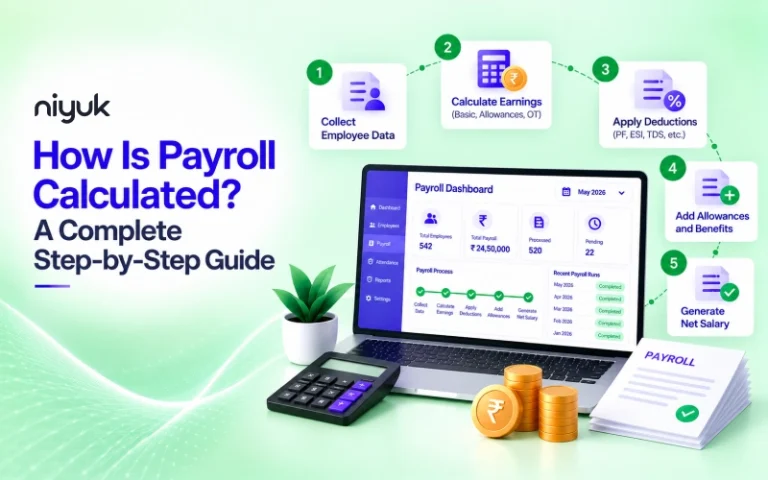
How Is Payroll Calculated? A Complete Step-by-Step Guide
Key Takeaways Introduction Payroll calculation is part of managing worker salaries, ensuring bills are accurate and following policies regarding taxes…
READ MORE » Guidelines
EPF Withdrawal Rules 2026: Eligibility, Claims & Latest Updates
If you work in the private sector, you have probably seen PF in the headlines more than once this month.…
READ MORE » Payroll
Common Payroll Challenges Faced by HR Teams
Payroll control is a duty that each corporation ought to take seriously. HR groups ought to ensure that personnel obtain…
READ MORE »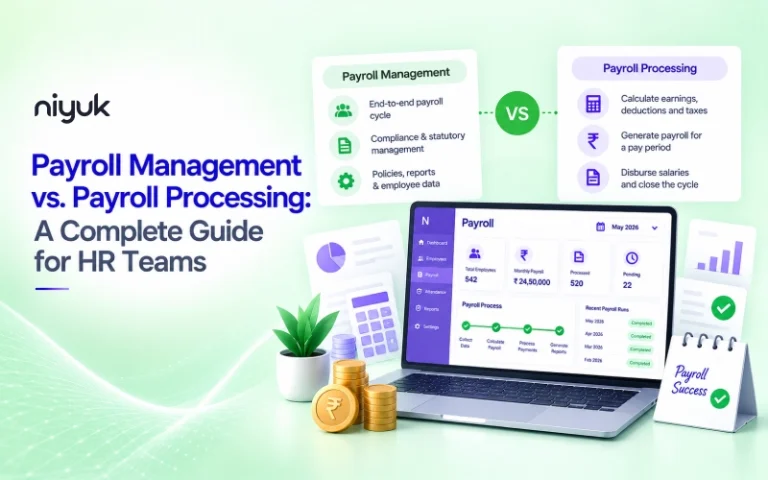 Payroll
Payroll Management vs. Payroll Processing: A Complete Guide for HR Teams
Key Takeaways Introduction Payroll control and payroll processing are cautiously related but serve one-of-a-type features in an organisation. Payroll manipulate…
READ MORE »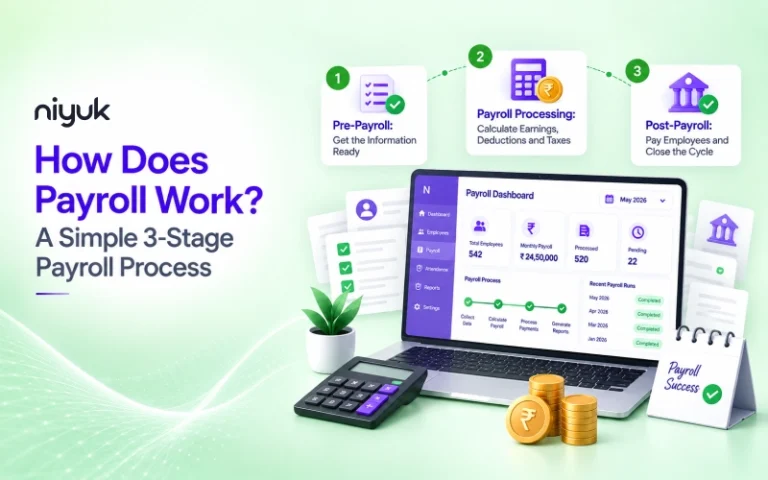 Payroll
How Does Payroll Work? A Simple 3-Stage Payroll Process
An employee sees only the final salary credited to their bank account in generic scenario. Behind that payment, however, several things have…
READ MORE »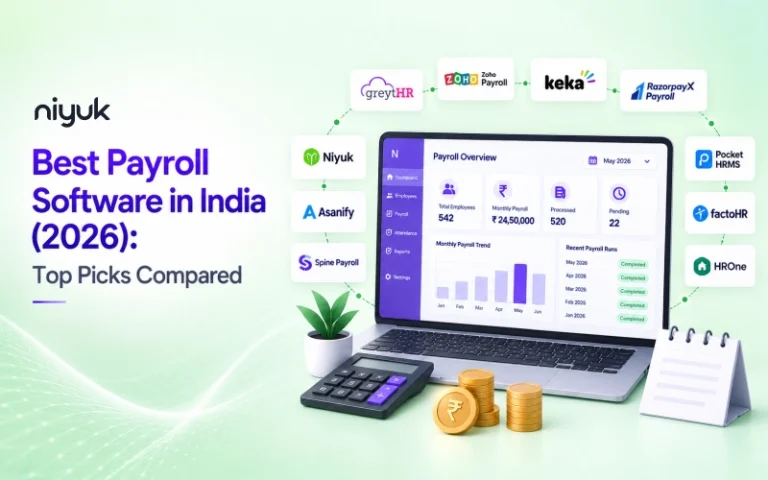 Payroll
Best Payroll Software in India : Top Picks Compared
Payroll is one of those business processes that must be right every month. A small error in salary, deductions or…
READ MORE »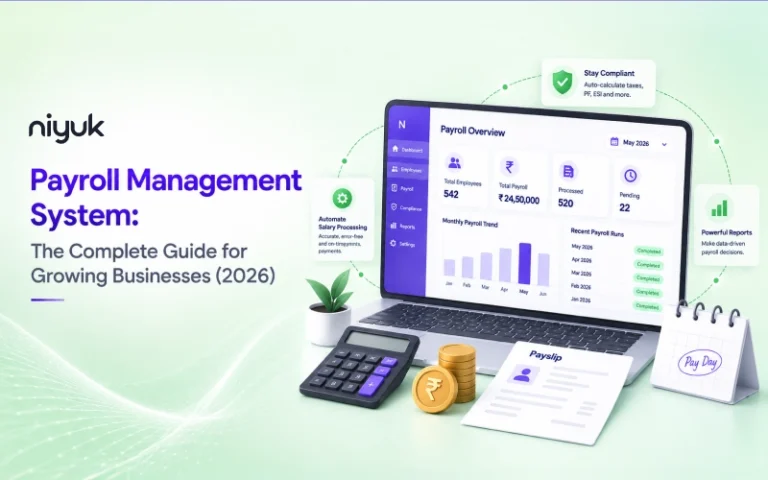 Payroll
Payroll Management System: The Complete Guide for Growing Businesses
Payroll doesn’t usually crash and burn overnight. Things start small. A weird deduction here, a late payslip there, maybe another…
READ MORE »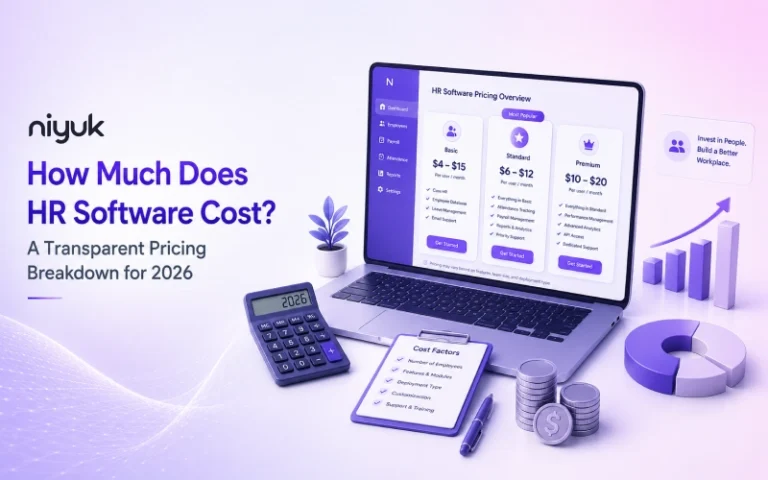 HRMS
HRMS
How Much Does HR Software Cost? A Transparent Pricing Breakdown
Most searches for hr software pricing return the same pattern: a vague “it depends,” a “contact us” button where a number should…
READ MORE » HRMS
HRMS
HRMS Attendance System Explained: Biometric, GPS & Face Recognition Compared
There’s no such thing as one “HRMS attendance system” for each workplace. One can ask five HR managers what matters most,…
READ MORE » HRMS
HRMS
HRMS Leave Management: How Automation Cuts HR’s Manual Workload
Check with almost any HR professional what highly consumes their week, and leave requests come up fast. An email asking for three days off. A message…
READ MORE » HRMS
HRMS
Payroll and HRMS Integration: Why One Unified System Beats Two Separate Tools
Payroll rarely starts with payroll. It starts with what happens in HR, a new employee joining, a salary revision, attendance being updated,…
READ MORE » HRMS
HRMS
HRMS Software Features Every Growing Business Needs: Checklist
In today’s AI era, AI in HR is a trend-setting technological boom. As one of the fastest rising economies in…
READ MORE »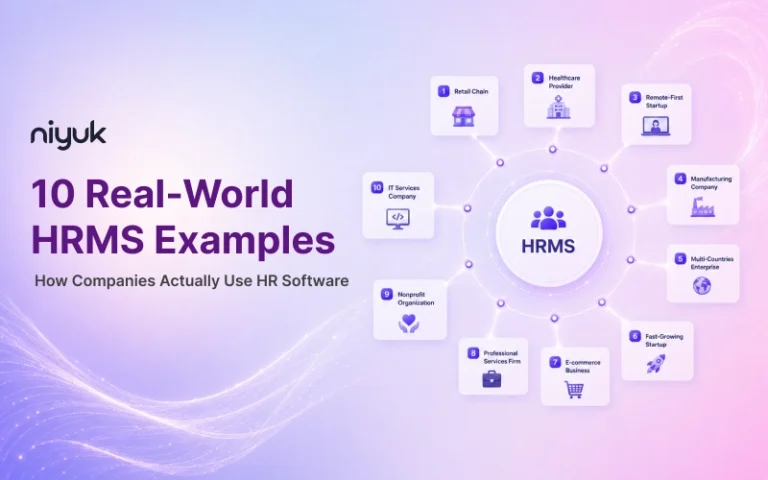 HRMS
HRMS
10 Real-World HRMS Examples: How Companies Actually Use HR Software
A ranked list of software vendors. A feature comparison. A pricing table. What you are less likely to find is…
READ MORE »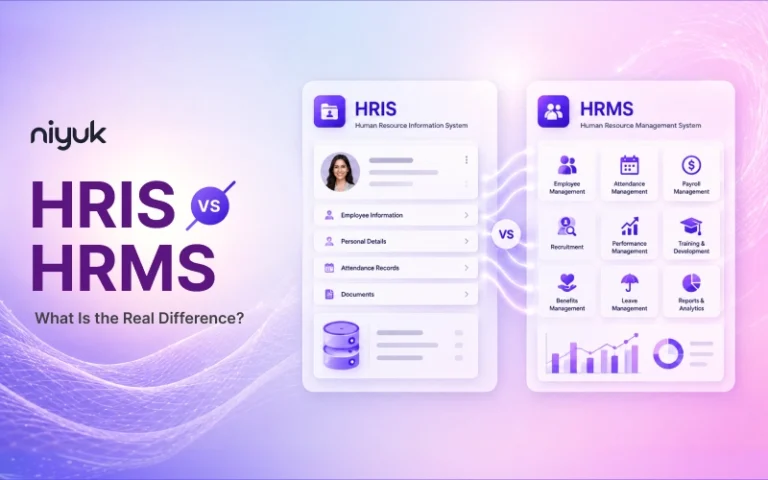 HRMS
HRMS
HRIS vs HRMS: What Is the Real Difference?
An HRIS (Human Resource Information System) is an HR software built to store and manage core employee data like records, payroll, and compliance.…
READ MORE » HRMS
HRMS
What is HRMS? A Comprehensive Guide.
Managing people gets complex, long before a business realizes it needs better HR systems. Employee records, attendance, payroll, leave, onboarding,…
READ MORE » Guidelines
Joining Letter Format: A Complete Guide for HR Professionals
Starting a new job comes with a blend of excitement on the candidate’s side and a checklist of formalities to complete. One of…
READ MORE » HRMS
HRMS
What Is POSH Training? Complete Guide to the POSH Act & Workplace Policy
Workplaces are place of work. Every person feels valued, confident, and respected for doing their best at their respective workplace. That said, you can’t construct the “hope…
READ MORE » Vendor Marketplace
How Niyuk Vendor Marketplace Works & can Benefit your Agency
In HR recruitment or hiring both sides are always juggling in search of the perfect fit –it may be a…
READ MORE » HR General
POSH Full Form Explained: Complete Guide to POSH Act, Rules, Compliance & Awareness
POSH Full Form is Prevention of Sexual Harassment. It is normally applicable for workplaces. It applies to all businesses, including corporates, startups, SMEs, and remote workplaces,…
READ MORE » AI Assessment
Automate Payroll Processing: 5 Steps to Eliminate Compliance Risks for Startups
Payroll isn’t just about sending money to bank accounts. For a growing startup, it is a high-stakes compliance minefield. One…
READ MORE » AI Recruitment
Best AI Recruiting Software for Staffing Agencies in 2026
Staffing agencies juggle a lot more than hiring. There’s client relationship management, candidate sourcing, placement tracking, and getting paid once…
READ MORE » AI Assessment
Candidate Fraud Secrets Revealed: How to Spot AI-Generated Profiles
The recruitment landscape has shifted. While your team is busy leveraging AI to streamline operations, candidates are using those same…
READ MORE » HRMS
HRMS
Performance Appraisal Guide: Methods, Process, Benefits and Best Practices
Performance appraisals appraises that businesses use to assess the work performance of their employees. These reviews supporting in identifying employee’s strengths, highlight competencies and find out improvement areas. Understanding how performance appraisals…
READ MORE » AI Hiring
Does Bias-Free Hiring Technology Actually Work? 5 Secrets for Transparent, Human-in-the-Loop Recruiting
Let’s be honest: when you hear the phrase “bias-free AI,” you probably roll your eyes. In an industry full of…
READ MORE »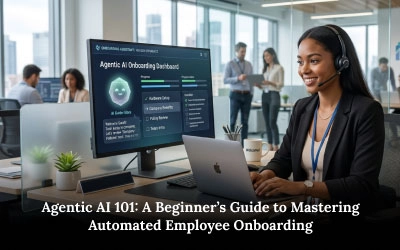 AI Hiring
Agentic AI 101: A Beginner’s Guide to Mastering Automated Employee Onboarding
Stop wasting your HR team’s talent on paperwork. The traditional onboarding process is a manual, fragmented, and slow nightmare. From…
READ MORE »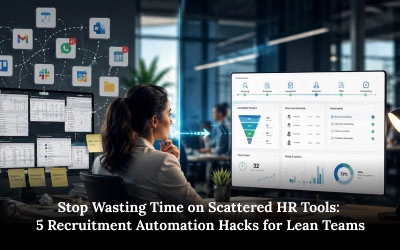 AI Recruitment
Stop Wasting Time on Scattered HR Tools: 5 Recruitment Automation Hacks for Lean Teams
Let’s be honest: your HR tech stack probably looks like a digital Frankenstein. You’ve got a spreadsheet for candidate tracking,…
READ MORE »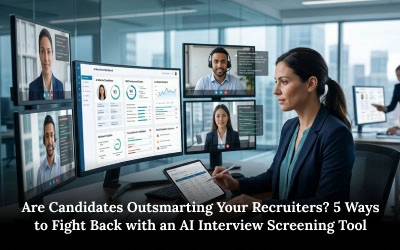 AI Interview
Are Candidates Outsmarting Your Recruiters? 5 Ways to Fight Back with an AI Interview Screening Tool
The recruitment landscape has officially entered an arms race. By 2026, the “old way” of hiring: relying on manual resume…
READ MORE »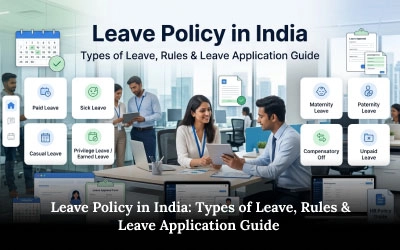 Guidelines
Leave Policy in India: Types of Leave, Rules & Leave Application Guide
Leave policy in India is important for the people in the HR team and the employees. The leave policy is…
READ MORE » AI Recruitment
AI Governance Secrets Revealed: How Audited Algorithms Ensure Bias-Free Hiring
Speed used to be the only metric that mattered in recruitment. Today, if your hiring speed comes at the cost…
READ MORE » AI Recruitment
10 Reasons Your Recruitment Automation Tools Aren’t Closing the Hiring Gap (And How to Fix It)
You’ve invested in the tech. You’ve subscribed to the latest AI “game-changers.” You’ve automated your email sequences and installed a…
READ MORE » Guidelines
Appointment Letter vs Joining Letter: Meaning, Differences and Formats
An appointment letter and offer letter plays a very crucial part in the recruitment process. These documents show a candidate’s selection for a job role and his agreed terms…
READ MORE » AI Recruitment
Can an AI Recruiting Assistant Actually Close Your Talent Gap? Find Out the Real ROI Here
Let’s be honest: your “talent gap” isn’t just a shortage of people. It’s a shortage of time. While you’re busy…
READ MORE »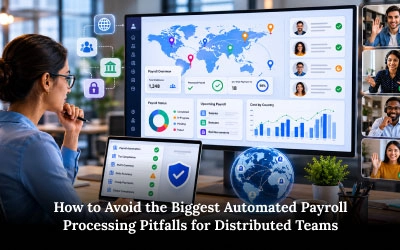 Payroll
How to Avoid the Biggest Automated Payroll Processing Pitfalls for Distributed Teams
Managing a distributed team is a strategic win, but it is often a payroll nightmare.When your employees are spread across…
READ MORE »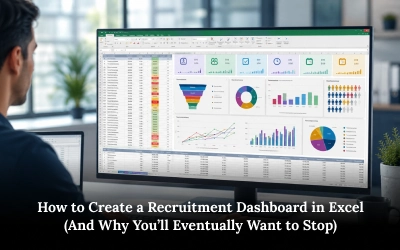 AI Recruitment
How to Create a Recruitment Dashboard in Excel (And Why You’ll Eventually Want to Stop)
If you are managing a growing team, you know that recruitment isn’t just about “hiring people.” It is about data.…
READ MORE » AI Recruitment
The Ultimate Guide to AI Candidate Sourcing: How to Keep Up When Candidates Use AI Too
Recruitment has entered an arms race. On one side, candidates are arming themselves with generative AI to build pixel-perfect resumes,…
READ MORE » AI Hiring
Does Bias-Free Hiring Technology Really Matter in 2026? (The Truth About ROI)
The recruitment landscape in 2026 is no longer about “finding” talent: it is about objectively verifying it. As AI becomes…
READ MORE » Payroll
Why Your Manual Payroll is Costing You More Than Just Time
You’re a founder. Or maybe you’re the first HR hire at a high-growth startup. You’re wearing fourteen hats, and one…
READ MORE » AI Recruitment
5 Steps How to Automate Employee Onboarding and Boost Retention (Easy Guide for Startups)
Startups move fast. Your onboarding should too. Most tech startups begin with a “spreadsheet and a prayer.” You track new…
READ MORE » AI Recruitment
The Hidden Cost of Manual Onboarding (and Why Automated Employee Onboarding is the Fix)
You’ve just hired a superstar. The offer letter is signed, the start date is set, and your team is excited.…
READ MORE » Payroll
Payroll Management: A Practical Guide for Businesses
Payroll errors can happen fast than anyone can imagine. If we can think about those employees whose monthly salary is…
READ MORE »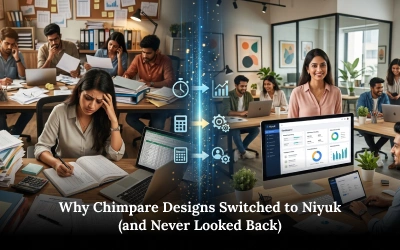 HRMS
HRMS
Why Chimpare Designs Switched to Niyuk (and Never Looked Back)
For a high-growth tech agency like Chimpare Designs, “good enough” is the enemy of progress. When CEO Samuel Meleder looked…
READ MORE »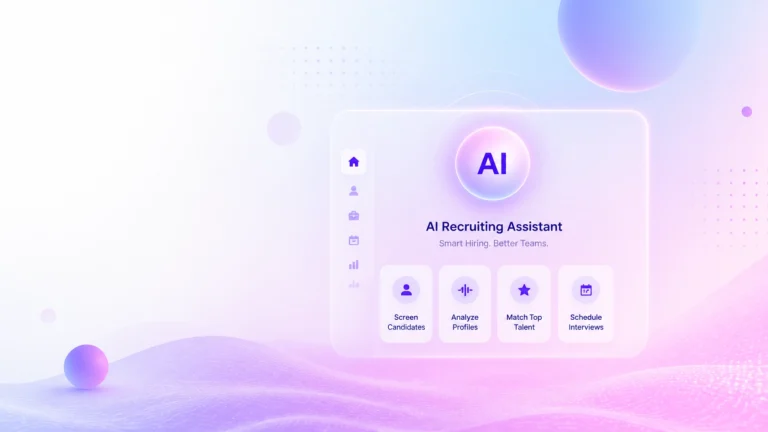 AI Recruitment
Why an AI Recruiting Assistant Will Change the Way You Find Top Talent
Let’s be honest: manual sourcing is a grind. You spend hours scouring LinkedIn, scrolling through endless job boards, and sending…
READ MORE »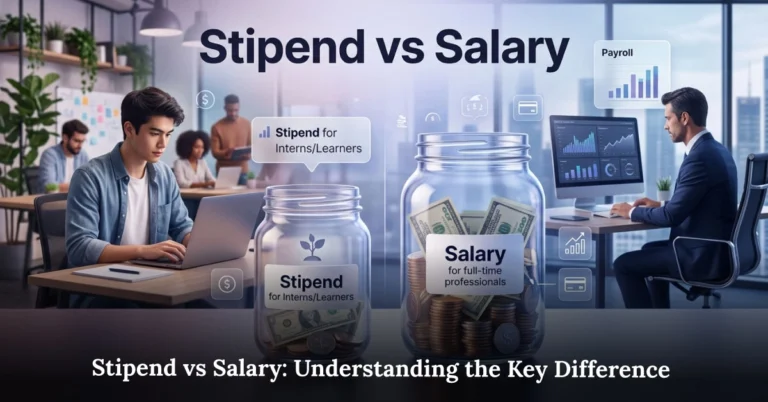 Payroll
Stipend vs Salary: Understanding the Key Difference
Some years back, companies used to pay their employees traditionally. They were paying salaries, incentives and some benefits package. But in today’s…
READ MORE »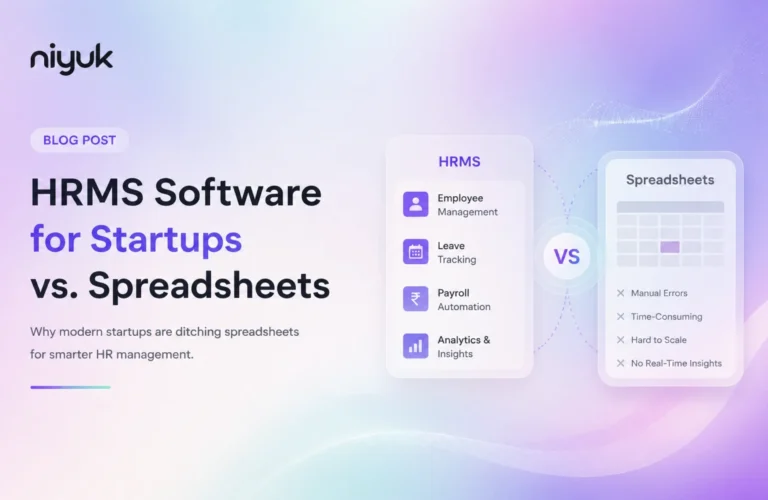 HRMS
HRMS
HRMS Software for Startups vs. Spreadsheets: Which Is Better for Your Scale?
Every startup begins with a spreadsheet. It’s the “Old Way”, a familiar, zero-cost sanctuary for tracking your first five employees.…
READ MORE »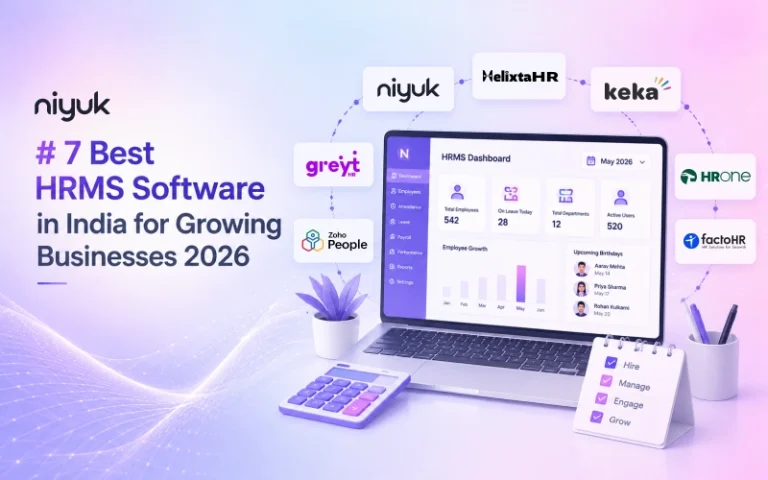 HRMS
HRMS
7 Best HRMS Software in India for Growing Businesses 2026
The best HRMS software in India depends on your team size and how much you need payroll compliance. For growing…
READ MORE » Payroll
How to Choose the Best Automated Payroll Processing (Compared)
Stop wasting hours on spreadsheets. Modern HR shouldn’t be a headache. But payroll often turns into one anyway. If your…
READ MORE » ATS
ATS
7 Best Applicant Tracking Systems for Hiring in 2026
AI based hiring in 2026 works in favours of faster team recruitments. A strong candidate who applies on Monday has…
READ MORE » AI Recruitment
Best 10 Recruitment Agencies in Indore for Job Seekers and Businesses
Getting the right candidates in Indore can be a real challenge when speed and precision are equally important. Here comes the role and need of the best recruitment agencies in Indore. These recruiting firms…
READ MORE » HRMS
HRMS
Best HRMS Software for HR Automation & Payroll
Today, HRMS – Human Resource Management System has become a trending affair in HR arena. It has become an integral part of today’s businesses and…
READ MORE » AI Hiring
Hiring in Healthcare | Using AI with Ethical Practices
Artificial Intelligence is transforming the way – we hire in healthcare. Smart recruiting tools excel the process, support in finding the best professionals, and save valuable time for each one involved. As…
READ MORE » AI Assessment
How to Make Effective Pre-Employment AI Assessments (2026)
Recruitment has been less about resumes sorting and more about making quality decisions with speed and upgradation. In an environment, where talent is a key element, organizations may not afford fragmented workflows for recruiting or irregular assessments. The requirement for fast, accurate, and repetitive decision-making…
READ MORE » AI Hiring
Time –to-Hire: All Vital Insights for Your Recruitment Cycle in 2026
In 2026, The talent acquisition teams are experiencing the deep challenges of hiring the right resources. Many efforts of the team, the concern recruiter’s…
READ MORE » AI Recruitment
Ultimate Use of Artificial Intelligence in Recruitment (2026)
Latest AI recruiting tools are taking the control of HR and recruiting processes today. But there is no direct threat to human recruiters for…
READ MORE » AI Recruitment
Best Recruitment Agency Kolkata: 10 Reliable Hiring Firms
Kolkata, city much developed by the British empire, has gradually grown into one of eastern India’s most important business hubs.…
READ MORE » AI Recruitment
Agentic AI in Recruitment: Intact the Human Role in Hiring
The real issue with top recruitment or HR leaders today is not about how AI is transforming HR processes but…
READ MORE » AI Recruitment
AI Recruiting for Startups: A Complete Know-how (2026)
It is a misbelief that AI in hiring will replace human work. It is exactly reverse. When the AI technology handle the bulk volume, administrative tasks, your HR team get the…
READ MORE » AI Recruitment
Top 10 Recruitment Agencies in Chennai: A Glimpse of Hiring Experts
Improper hiring or recruitment costs your tremendous expenditure without any positive result. Anyhow, recruiting the correct placement partner enables you to gain more money. Recruitment Agencies in Chennai plays the decider’s…
READ MORE » AI Recruitment
AI Recruitment Software: The Ultimate Hiring Assistant for Healthcare Industry
AI recruitment software for healthcare allows hiring process for remote, hybrid and on-site clinical and non-clinical roles by automation of candidate sourcing, screening, and scheduling.…
READ MORE » AI Recruitment
Knowing the Best Recruitment Agency in Ahmedabad (2026)
In the existing job market of cutthroat competition, getting the best opportunity is a tough challenge. If you are searching for the best recruitment agency in Ahmedabad, this blog will help you locate the top…
READ MORE » AI Recruitment
Trend of AI in Recruitment: The Future of Talent Acquisition
Just imagine many years back, the way HR people were doing a whole some resumes screening and sorting for a…
READ MORE » AI Recruitment
How Niyuk Handles 5 Top Challenges Faced by Modern Recruiters (2026)
Hiring professionals in 2026, are operating in an increasingly tough environment where conventional recruitment methods juggle to maintain required speed with business…
READ MORE » AI Interview
AI Interview: How They Work and Why Recruiters Rely on Them
Artificial Intelligence has entered in every walk of human life today. In every domain, AI can outperform the given tasks…
READ MORE » AI Recruitment
Highly Effective Recruitment Agencies in Mumbai
Mumbai is famous as ‘City of Dreams’. Mumbai is also a city of enormous job and business opportunities for the skilled…
READ MORE » AI Recruitment
Overview of the Best Recruitment Agencies in Delhi (2026)
Delhi is a capital of our country, India. Delhi is also having independent state status. It has got tremendous Business as well as Government resources for recruitment or…
READ MORE » AI Recruitment
Top 10 Recruitment Agencies in Hyderabad (2026)
Hyderabad is a leading IT and Pharma hub of India. Hyderabad is the preferred city for BFSI Global Capability centers. World…
READ MORE »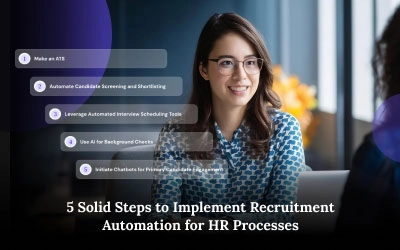 AI Recruitment
5 Solid Steps to Implement Recruitment Automation for HR Processes
Recruitment automation is one kind of blessing to HR recruiters today. In conventional recruitment process, HR recruiters or HR teams used to…
READ MORE » AI Recruitment
AI in Recruitment: Metrics that will matter in 2026
AI in recruitment is a current market trend for the corporate world. The recruitment arena is shifting from manual search to…
READ MORE » AI Recruitment
Brief Insights from Top Recruitment Agencies in Bangalore (2026)
Bangalore, is known to be India’s leading and bustling business hub, attracting all sorts of enterprises ranging from startups, SME’s and multinational corporations. As a result, it is…
READ MORE » AI Assessment
How to Stop Cheating in Skills Assessment with Fair AI
AI in HR has allotted many traits which are helpful to today’s HR people across all sectors going for hiring. Skills assessments with AI are…
READ MORE » HR General
A Complete Guide on AI in HR (2026)
AI automation is the new buzzword in today’s corporate recruitment arena. AI is not an instant result giving object or…
READ MORE » AI Recruitment
Top 10 Recruitments Agencies in Pune
India is becoming world’s largest economy in near future. So, accordingly the manpower need for the country is in exponential…
READ MORE »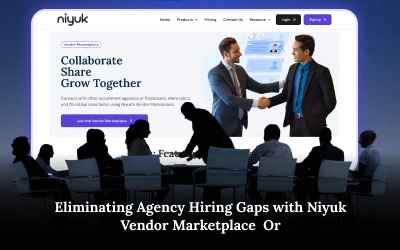 Vendor Marketplace
Eliminating Agency Hiring Gaps with Niyuk Vendor Marketplace
Today, businesses have critical bottlenecks like skills shortages in critical areas, fast technological change, and the need to adept changes rapidly when market conditions shift. Here comes the…
READ MORE » AI Assessment
Unfolding Insights on How AI Assessment Redefines Hiring Accuracy
Selection of right candidate is a crucial thing for any HR and recruitment team for the ultimate well-being of the…
READ MORE »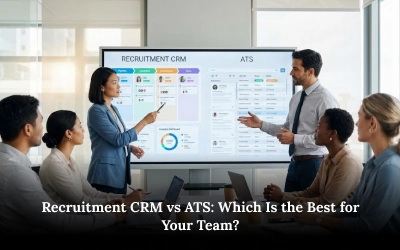 ATS
ATS
Recruitment CRM vs ATS: Which is the Best for your Team?
ATS and CRM are the latest recruitment tools responsible to save many hours of recruitment managers and teams. Still, we…
READ MORE » AI Recruitment
Top 10 Demanding Skills Recruiters Are Looking for 2026
The job market in 2026 will be ever evolving, automation -led, global level of competition, and upcoming technologies. Either you are a student trying for your first role, a professional wishing to…
READ MORE » ATS
ATS
Secret Formula for Fast Hiring: Unlocking the Benefits of ATS
A complete Software(ATS) taking care for all recruitment processes in less time and cost is a blessing for HR managers today. In this…
READ MORE »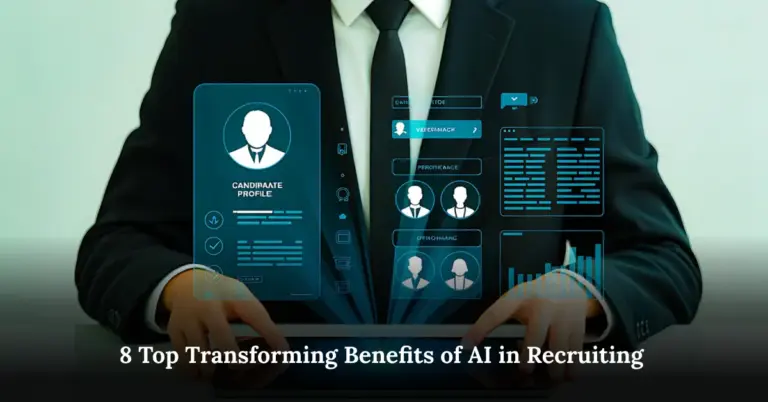 AI Recruitment
8 Top Transforming Benefits of AI in Recruiting
AI offers many key-changing benefits making it a vital tool for today’s recruitment needs. Time-taking processes like resume screening, candidate…
READ MORE » AI Hiring
Niyuk: The Best Hiring Tool to Cut Recruitment Cost
In today’s dynamic talent market, recruitment plays a significant role in driving the growth and success of modern organisations. Anyhow, the hiring tool can have a remarkable impact on a company’s…
READ MORE » ATS
ATS
Enhance Your Hiring Process with Applicant Tracking System
As per the latest reports in today’s corporate scenario, 93% businesses use an ATS, and the rest are still to reach for it. In this blog post,…
READ MORE » AI Hiring
How Automated Interview Scheduling Changed Manual Hiring Back-and-Forth
Manual interview scheduling for the headhunt of the ever-best talent for every required role. But manual scheduling has a lot…
READ MORE »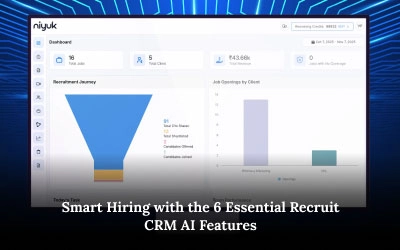 CRM
CRM
Smart Hiring with the 6 Essential Recruit CRM AI Features
Automation and AI are the trending technologies supporting every corner of professional world as well as helping in transforming our…
READ MORE »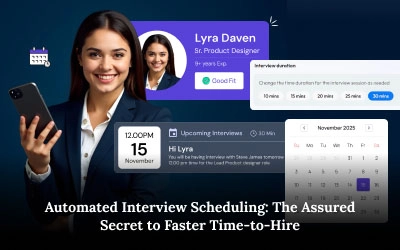 AI Interview
Automated Interview Scheduling: The Assured Secret to Faster Time-to-Hire
Fast and efficient hiring with quality candidates is a need of the hour in today’s time. This helps in right…
READ MORE » CRM
CRM
The Ultimate Guide to Select the Best Recruitment Agency CRM in 2026
Recruitment team of your recruitment business needs to have lot of email communications and correspondence with clients and various candidates…
READ MORE » CRM
CRM
An Overview on Challenges of CRM in 2026
You can save lot of manual hours and cost on data entry work by removing all Challenges of CRM Software.…
READ MORE »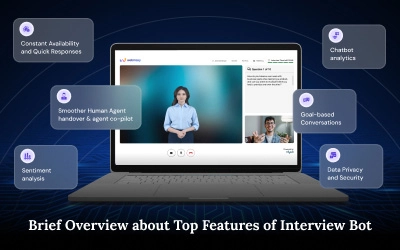 AI Interview
Brief Overview About Top Features of Interview Bot
Let us explore in this blog article, how Interview bot improves the hiring efficiency. Here, we are highlighting some exciting…
READ MORE »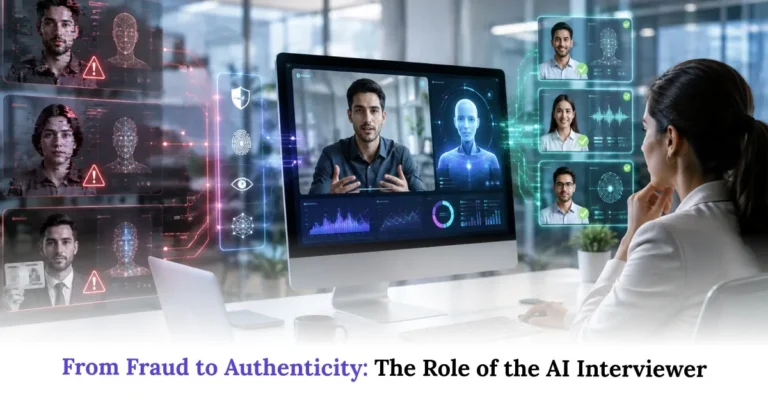 AI Interview
From Fraud to Authenticity: The Role of the AI Interviewer
Fake Candidates and Authenticity issues are the real uneven faced by Hr and recruitment people today. Businesses loose almost 30%…
READ MORE » AI Interview
5 Essential Features: AI Screener for Interviews
In the fiercely professional global of expertise acquisition, the traditional hiring manner is not sufficient. Recruiters are drowning in a…
READ MORE » AI Hiring
Time to Hire: Are You Losing Top Talent?
In the race for pinnacle skills, pace may be your competitive area – however best if performance doesn’t come at…
READ MORE »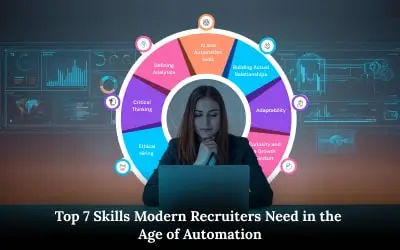 AI Recruitment
Top 7 Skills Modern Recruiters Need in the Age of Automation
Whether or not you believe that Recruiter AI Skills are taking over the arena, one thing is certain: it is…
READ MORE »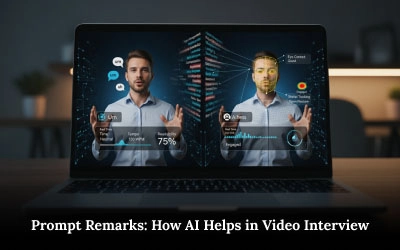 AI Interview
Prompt Remarks: How AI Helps in Video Interview
Remember the days of sweaty hands, a protracted go back and forth to a workplace you’d by no means seen…
READ MORE » AI Interview
A Comparison of AI vs Traditional Interviews: How Niyuk Stands Apart?
In these days’ high pace hiring environment, the demand for speed, consistency, and scale is better than ever. Whether or…
READ MORE » AI Assessment
How AI Proctoring Guarantees Integrity in a Modern-Day Skill Assessment Test
In ultra-modern, paced global, the way we work, and research has gone through a dramatic transformation. The digital revolution, expanded…
READ MORE » AI Recruitment
AI in Recruitment Shaping the Future of Hiring in 2026
Hiring in 2025 is all about making future-ready teams and not only filling up the positions. AI in recruitment is…
READ MORE » AI Interview
Everything About Preparation for an AI Interview
Are you looking for a job that pays six figures and is almost recession-proof? Businesses are vying for the best…
READ MORE »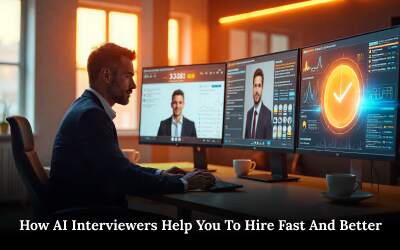 AI Interview
How AI Interviewers Help you to Hire Fast and Better
In a market where the top applicants are eliminated in ten days speed is now a need rather than a…
READ MORE » AI Assessment
AI in Assessment: Top 10 Tools Worth Exploring
AI assessment influences teacher’s evaluations of student’s performance and facilitates adjustment to various learning preferences. Teachers can use AI tools…
READ MORE » AI Hiring
Navigating AI in Hiring: Legal and Ethical Considerations
The recruiting landscape has evolved. It’s becoming less common to use a highlighter to go through piles of resumes. We…
READ MORE » AI Interview
What Makes niyuk.ai Interviewer Different from a Regular Chatbot
Conventional recruitment chatbots may schedule interviews and reply to basic questions, but they can not interview candidates. Niyuk’s AI Interviewer tool…
READ MORE »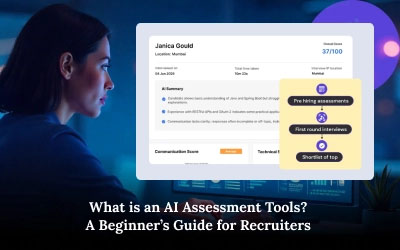 AI Assessment
What is an AI Assessment Tools? A Beginner’s Guide for Recruiters
The magic of Artificial Intelligence is changing the game even in the HR and recruitment arena across the world now.…
READ MORE » AI Interview
The Complete Checklist to Implementing an AI Interview Tools
There are over 60% companies leveraging AI implementation in recruitment and hiring processes this year. A major shift has taken…
READ MORE »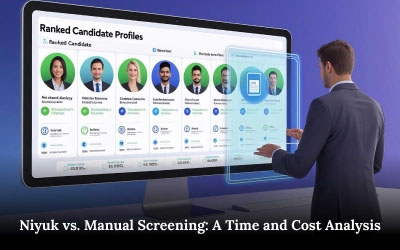 AI Interview
How to Use AI Interviewer to Eliminate Hiring Bias
Everywhere Recruitment bias is a common issue. But thanks to AI, due to tools like AI interviewer, recruiters can easily…
READ MORE »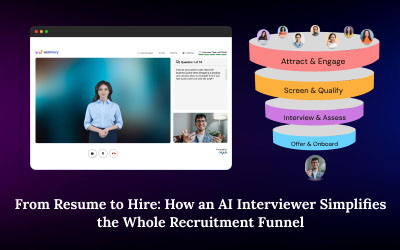 AI Interview
From Resume to Hire: How an AI Interviewer Simplifies the Whole Recruitment Funnel
In today’s competitive talent scenario, the quest to search and secure top-class talent presents a present challenge for global organizations.…
READ MORE »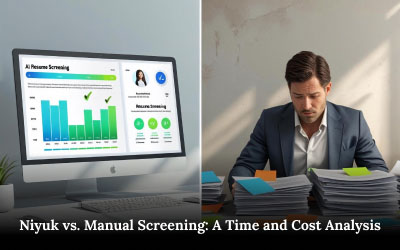 AI Recruitment
Niyuk vs. Manual Screening: A Time and Cost Analysis
In an edge, where speed and efficiency regulate successful recruitment, many organizations still comfortable to manual candidate screening methods. While…
READ MORE » AI Recruitment
The Ultimate Guide to Choosing an AI Recruitment Platform in 2025
AI is taking over every aspect of life and work. Recruitment with AI is no more a daydream. AI recruitment…
READ MORE »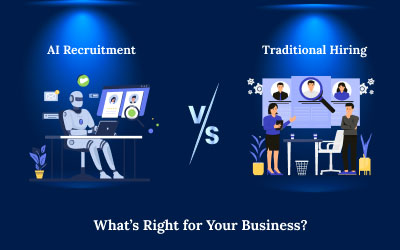 AI Hiring
AI Recruitment vs Traditional Hiring: What’s Right for Your Business?
Every successful organisation’s backbone is a right recruitment. The recruitment process has been transforming a lot over some years, from conventional…
READ MORE » AI Hiring
10 Ways AI Hiring Platforms Help You Hire Top Talent Faster
Hiring the right and potential candidates has been never so easy till today. It is a time taking and complicated…
READ MORE »No posts found.