


Remote task management
Work is allocated by who is nearest, free and qualified, with the deadline and the geo-verification attached to it.
Track attendance, activity and productivity across an on-field workforce from one dashboard. Managers stop phoning round for updates, and the record of where the day actually went makes itself.






Field employee tracking software monitors attendance, location, tasks and productivity for the people who work outside the office: engineers on service calls, medical representatives, delivery and sales teams, surveyors. It runs on the phone they already carry.
What it replaces is the phone call. Instead of a manager ringing round at eleven to find out who is where, attendance is geo-verified at the point of clocking in, visits are logged as they happen, and the day's coverage is a report rather than a reconstruction.
Everything a phone call round the team was never going to do.
Work is allocated by who is nearest, free and qualified, with the deadline and the geo-verification attached to it.
Clock in and out from an approved location, apply for leave from anywhere, and get the approval back the same way.
Hours, leave and expenses from the field feed the pay run directly, allowances and deductions included.
Claims raised on the road with the receipt photographed against them, and a record that stays available afterwards.
Field sales take an order, apply the discount they are allowed, and the system records it against the customer and the day.
When a call or a meeting is missed, the phone's network status at that moment is on the record rather than in dispute.
Attendance and task logging carry on with no signal and sync themselves when one comes back. Nothing is lost in a dead zone.
Six things a manager stops doing by hand once attendance, location and visits are one live record instead of a morning of phone calls.
Locations, attendance and task status on one dashboard, current to the minute. The update arrives without anyone being asked for it.
Attendance, work hours and task updates log themselves, so the time that went on reporting goes back to customers instead.
Live position, travel history and visit status, which is what makes route planning a decision rather than a guess.
Staff check in, update tasks and record hours from a phone. Managers run a team across ten cities from the same screen as one.
Attendance, travel, completion rates and productivity trends become reports on their own, for whatever range you ask for.
Jobs get assigned faster and progress is visible, so a customer chasing an engineer gets an answer rather than a promise to check.
See who is active, where your team is working, how far they have travelled and how many visits they have completed, all in one place.
View each field employee's current status, location, zone and distance covered. Switch between the list and the map to see your team wherever they are.
Schedule visits, assign them to the right employee and track progress from upcoming to completed. Keep every visit organised in one clear view.
Compare visits completed, completion rates, distance travelled, field time and on-time performance to understand how each team member is doing.
Five things that stop working once nobody can hold the whole day in their head.
| Feature | Manual field management | AI-powered field monitoring Recommended |
|---|---|---|
| Attendance | Registers, or a phone call | GPS-verified geo-attendance |
| Task management | Calls and a spreadsheet | Assigned and tracked automatically |
| Employee visibility | Whatever gets reported back | Live location and activity |
| Reporting | Written up by hand | Dashboards built from the record |
| Payroll | Calculated manually | Linked to attendance and expenses |
Six kinds of field operation, and the stretch of work the tracking covers in each of them.
Engineers visiting customer sites for installation, after-sales work and scheduled maintenance. The job is assigned by who is nearest and free, and the visit is on the record from the moment it is dispatched to the moment the customer signs it off.
Medical representatives get their calls assigned remotely, and the day's coverage builds as they work rather than being written up in the evening. What each visit produced is recorded against the doctor and the territory it belongs to.
Channel and direct sales run off the same round, with code scanning and electronic proof of delivery taken on the spot. A delivery that is disputed later has a timestamp, a location and a signature behind it.
Selling a list shop to shop, with the round and the person on it both visible while it runs. A territory that is being covered thinly shows up in the week it happens rather than at the end of the quarter.
Tasks delegated to drivers and technicians remotely and managed the same way after they have left the depot. Rerouting somebody costs a notification rather than a phone call to find out where they are first.
Custom forms and digital documents filled in on site and synced the moment there is a signal. That is what makes a survey round auditable instead of a stack of paper somebody has to key in a fortnight later, and it works in the places surveys usually happen.
 IT & Technology
 BPO
BPO
 Manufacturing
 Healthcare
 Retail
 FMCG
FMCG
 Education
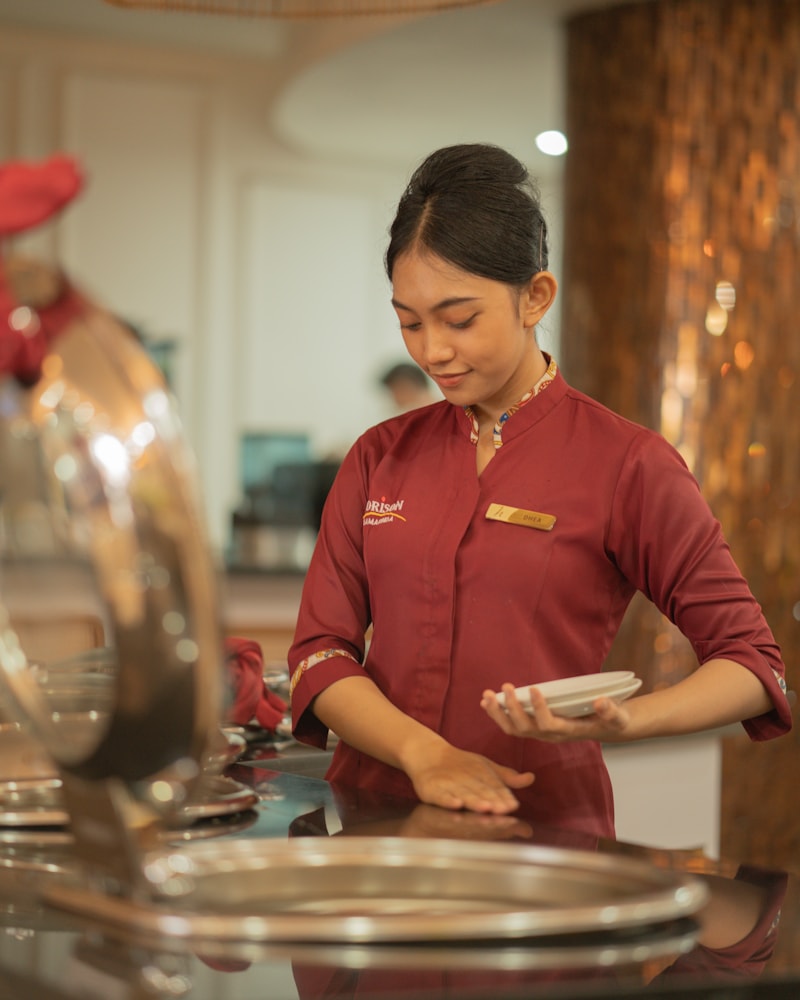 Hospitality
From a team that made the switch
“Niyuk HR cut payroll processing time by 90% for Applikon IT Solutions Pvt. Ltd.”
Book a demo and see a day of field work as the people managing it would see it: live, in one place, and already written down.
The questions operations leaders ask before putting tracking on a field team.
It tracks attendance, tasks, location and work status for people who work outside the office, through the phone they already carry. What a manager gets is a live view of a team they cannot see, which is what makes coordinating one possible without a morning of phone calls.
Clocking in is tied to an approved location and verified by GPS, so the attendance record is evidence rather than a claim. That removes buddy punching and most hours disputes, and it gives payroll an input it does not have to check.
Yes. Attendance, task updates and location are stored on the device when there is no signal and sync themselves the moment one returns. A dead zone delays the reporting; it does not lose the day.
The useful part is not the automation of task allocation, though that helps. It is that attendance, travel and completion data become patterns: which routes cost more than they return, which coverage gaps repeat, and where the next person is actually needed.
Work goes to whoever is nearest, free and qualified, rather than to whoever the dispatcher thought of first. That cuts travel time and response time at once, and it removes the coordination call that used to decide it.
Yes, and on this platform it is not an integration: attendance, hours, leave and expenses from the field are the same records payroll reads, so a pay run needs no re-keying and no reconciliation against a second system.
Pharmaceuticals, FMCG, logistics and fleet, equipment servicing and maintenance, publishing, and market research. The common factor is a mobile workforce doing customer visits, where the work happens somewhere the manager is not.
It records when, where and why a field employee could not be contacted during duty hours. The point is to separate a genuine network dead zone from a delay, which is the difference between an explanation and an argument.