
Top 7 Skills Modern Recruiters Need in the Age of Automation
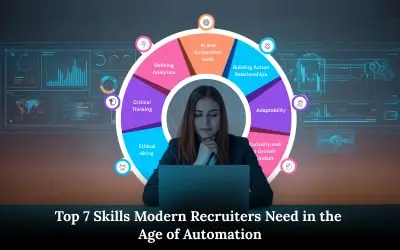
Discover Niyuk. Experience effortless screening and assessments. Book A Demo Whether or not you believe that Recruiter AI Skills are taking over the arena, one thing is certain: it is changing how we paint. Even as some HR specialists are on board with AI’s position, it has raised some massive questions for others, like “will it update the human element?” or “is my position at risk?” The truth is, jobs are evolving, not disappearing. LinkedIn predicts that by 2030, 70% of the competencies utilized in most jobs these days will have changed. But this shift isn’t about dropping relevance. It’s about developing into new roles that mix tech with uniquely human strengths. As humans and machines learn how to paint aspect by aspect, recruiters will want to step into roles in which AI can’t compete, areas like emotional intelligence, strategic questioning, and real connection. So, what does that appear to be in exercise. Explore here the topmost 7 competencies recruiters want to thrive on this new technology of automation. Elevate your recruiter AI skills for recruiter success Master the AI and Automation Tools shaping the industry Contact Us Details of AI Skills for Recruiters Explore here the topmost 7 competencies recruiters want to thrive on this new technology of automation. 1. AI and Automation Tools Back in 2010, only a tiny fraction of process postings about 0.5% even noted AI abilities. Rapid forward to 2024, and that range has more than tripled to 1.7%. That could sound small, but the momentum is simple. In fact, consistent with Microsoft’s 2024 Work Trend Index, 66% of commercial enterprise leaders say they wouldn’t rent a person without AI abilities. Recruiters themselves are taking notes, with 14% extra of them including AI abilities to their LinkedIn profiles in just 12 months. The reality is that recruiters must have an awesome understanding of the hiring era across the candidate adventure and how it resources, assesses, and interviews candidates. They don’t need to be tech specialists; however, they must have a solid grasp on the capabilities of these tools, each for his or her personal expertise and to expectantly explain the process to candidates who may also have questions. 2. Defining Analytics At present, hiring platforms can now generate a wealth of information, from time-to-fill to candidate drop-off charges. However, it’s not just about amassing extra information. It’s also about understanding how to use it. Nowadays, in the workplace, recruiters must recognise the way to interpret complicated information and make knowledgeable, insightful choices rapidly. However, hiring groups are only as powerful as the tools they rely on; that is why choosing the right seller matters. Search for partners who prioritise clean, actionable analytics. Take Hirevue, for instance. Our intuitive dashboards and customisable reports make it easy for recruiters to monitor overall performance, spot developments, and discover areas for development. Whilst information is easy to interpret, it becomes an effective device for smarter, faster decision-making. 3. Building Actual Relationships Can generation and human connection sincerely coexist? At first glance, they may appear as odds. In any case, how can something so automatic support something so private? However, the reality is that generation is making room for the human element by taking on tasks through the years, eating tasks like scheduling, screening, and on-demand interviews. AI permits recruiters to spend extra time that counts: connecting with candidates, hearing their stories, and growing significant relationships. And isn’t that what hiring has constantly been about? Growing connections and fostering belief from the first actual interaction so employees and organizations can thrive together. 4. Critical Thinking Now that recruiters are less bogged down with tedious tasks, they have extra time to ask the difficult questions, like “in which areas are the most important talent gaps in our organization?” or “what subconscious biases are probably embedded in our hiring practices or structures?” Once more, this is how AI and recruiters can work hand-in-hand. Even as AI handles obligations and might offer valuable information, it’s the human recruiter who brings that means to that information analysing it, asking the right questions, and making thoughtful, strategic selections that force lengthy-time period fulfilment. 5. Adaptability What is familiar to us inside the workplace nowadays remote collaboration systems, digital whiteboards, or digital recruiting and interviewing turned into nearly unimaginable only a few years ago. Era is advancing at lightning speed, and recruiters who are not capable of quickly pivoting and adapting are falling behind. We noticed this situation play out over the pandemic. The workplace was modified in a single day, and groups needed to determine a way to keep moving forward while working online. As AI changes the workplace, recruiters must learn how to change alongside it. Folks who continue to be curious while confronted with strange strategies and are inclined to adapt to new situations could be the ones who excel in their roles. 6. Ethical Hiring AI is getting better each day. However, it’s no longer ideal. And if there aren’t any proper guardrails set up, AI can accidentally support present biases. Recruiters don’t need to be AI specialists, however they do need to apprehend the fundamentals, inclusive of: AI ought to help (no longer replace) human judgment effects need to be reviewed frequently to seize any signs of unfairness candidates ought to be knowledgeable when AI is a part of the technique It’s critical to stay updated on relevant legal guidelines and evolving excellent practices one of the excellent approaches to make certain ethical responsibility is to accomplice with an supplier who’s transparent approximately how their AI works. Niyuk is a part of the industry to proportion its AI Explainability assertion. Reliable companies will brazenly proportion theirs, outlining how their models are built, examined, and monitored. An ethical hiring AI can accomplish, even: Frequently test and audit their systems for bias. Stay modern-day with rules and industry excellent practices. Be clean, approximately what their AI evaluates and what it doesn’t 7. Curiosity and a Growth Mindset Manufacturers like Netflix, Nike, and